Choosing the right digital camera involves understanding several key features that can significantly impact the quality and versatility of the device. When looking to buy a camera, important features to consider include sensor size, lens compatibility, and image stabilization. These elements determine how well the camera performs in various conditions, making them crucial for both amateurs and professionals alike.
In addition to essential specifications, the usability of a camera can greatly influence the overall experience. Features like an intuitive interface, customizable settings, and connectivity options can enhance how effectively a photographer captures moments. It is vital for buyers to evaluate these characteristics to ensure they select a camera that meets their specific needs.
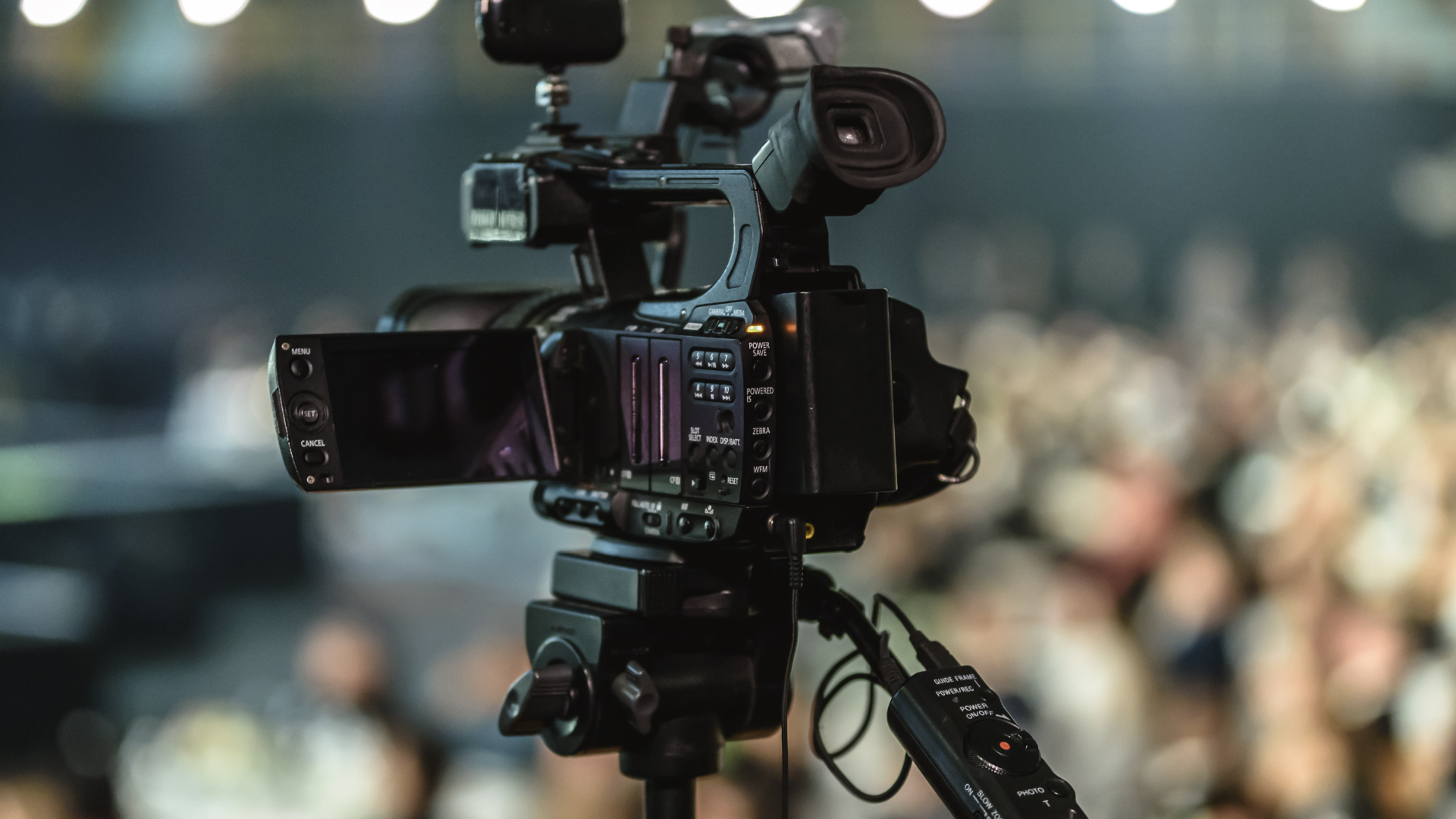
Lastly, understanding the importance of video capabilities is increasingly relevant as more photographers venture into multimedia. Many modern digital cameras offer impressive video quality, making them suitable for various content creation purposes. By focusing on these aspects, individuals can make informed decisions when choosing a digital camera that aligns with their aspirations.
Core Camera and Image Quality Features
When selecting a digital camera, key features significantly impact image quality. These aspects include sensor size and type, resolution, and dynamic range. They determine how well the camera performs in various lighting conditions and the detail captured in images.
Sensor Size and Type
The sensor is crucial in digital cameras as it converts light into an image. There are several types of sensors, such as CCD and CMOS. The size of the sensor also affects image quality.
- Full-frame sensors offer superior low-light performance and depth of field control, making them ideal for professional use.
- APS-C sensors are common in DSLRs and mirrorless cameras, balancing size and quality for enthusiasts.
- Compact cameras typically feature smaller sensors, which may limit performance, particularly in low light.
Choosing the right sensor type and size can influence image clarity and detail.
Resolution and Megapixels
Resolution, measured in megapixels, indicates how much detail a camera can capture. Higher megapixels do not always equate to better images. Consider the intended use when evaluating resolution.
- For printing large images, a higher resolution (20 MP or more) is beneficial.
- For online use, 12-16 MP is generally sufficient for clear images.
- Compact cameras often have around 16-20 MP, making them versatile for everyday photography.
Megapixels alone do not define image quality; the sensor’s performance and image processing capabilities also play essential roles.
Image Quality and Dynamic Range
Image quality encompasses clarity, color accuracy, and detail. Dynamic range is the range of light a camera can capture, from shadows to highlights.
- Cameras with a high dynamic range can represent details in bright and dark areas simultaneously.
- Digital SLR and mirrorless cameras often excel in this area, allowing for more creative control in post-processing.
- Compact cameras may struggle with dynamic range, leading to a loss of detail in bright environments.
Investing in a camera with excellent image quality and dynamic range ensures versatility and better results in various shooting conditions.
Lens System and Versatility
The lens system of a digital camera significantly impacts its versatility and performance. Understanding the options available is crucial for selecting a camera that meets specific photographic needs.
Interchangeable vs Fixed Lenses
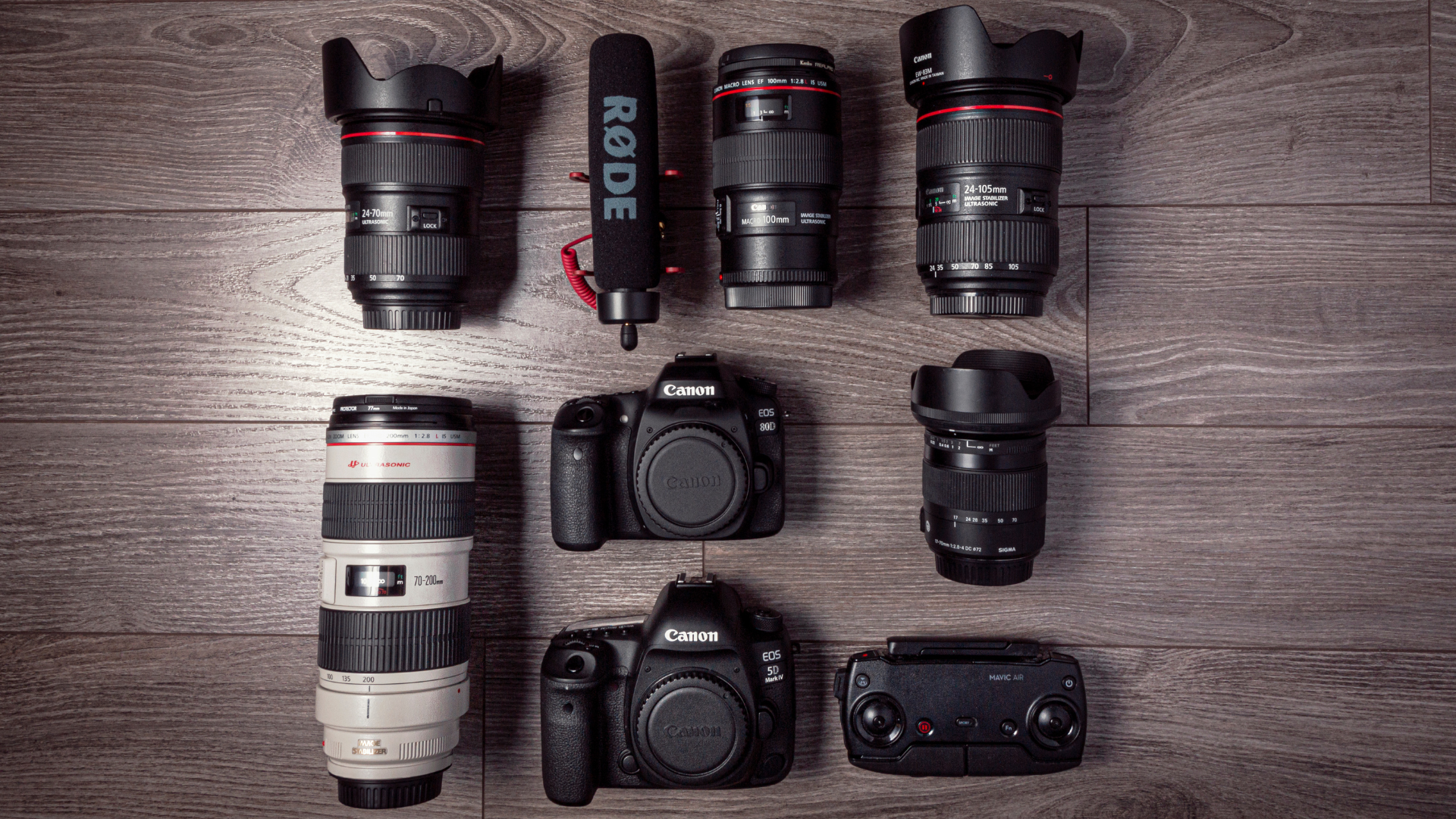
Interchangeable lens cameras, such as DSLRs and mirrorless models, offer flexibility. They allow users to switch lenses based on shooting requirements, from wide-angle for landscapes to telephoto for wildlife. Fixed lens cameras, like most point-and-shoot models, have a set lens, limiting versatility but often being more compact and user-friendly.
Interchangeable lenses enable greater creative control and adaptability. For photographers aiming to master various styles, an interchangeable lens system is essential. Fixed lenses can suffice for casual photography, providing convenience and ease of use.
Focal Length and Zoom Capabilities
Focal length determines the lens’s field of view and how close subjects appear in the frame. Standard focal lengths range from wide-angle (typically 24mm) to telephoto (above 70mm). Zoom lenses combine multiple focal lengths, providing versatility in a single lens.
Zoom range is a vital feature; it allows users to adjust framing without changing lenses. A lens with a maximum focal length of 200mm can capture distant subjects effectively, while a wide-angle lens can enhance depth in landscapes. Photographers should consider their primary subjects to find an optimal zoom capability that suits their needs.
Aperture and Depth of Field Control
Aperture is the opening in the lens that controls light entering the camera. It is measured in f-stops (e.g., f/2.8 or f/11). A larger aperture (lower f-stop) allows more light and produces a shallow depth of field, ideal for portraiture, where the background is blurred.
Conversely, a smaller aperture (higher f-stop) increases depth of field, keeping more details in focus, which is beneficial for landscapes. Understanding how aperture affects depth of field is crucial for creative photography, allowing users to achieve specific visual effects tailored to their artistic vision.
Essential Performance and Usability Features
When selecting a digital camera, performance and usability are crucial. Key aspects include autofocus and shutter performance, viewfinder and display options, and build quality. Each of these elements significantly affects the shooting experience.
Autofocus and Shutter Performance
Autofocus technology is vital for capturing sharp images, especially in dynamic settings. Cameras equipped with Fast Hybrid AF systems combine phase-detection and contrast-detection technologies, delivering quick and accurate focusing even in low light.
Shutter performance directly influences the shooting experience. High-end cameras often feature faster shutter speeds, reducing motion blur during action shots. A camera with a shutter speed of 1/4000 seconds or faster allows for crisp images of fast-moving subjects. These features enable photographers to react swiftly, ensuring that fleeting moments are captured effectively.
Viewfinder and Display Options
The viewfinder is an essential tool for composition and framing. Electronic viewfinders (EVFs) provide real-time exposure previews, which is an advantage over optical viewfinders found in traditional cameras. An EVF with a high refresh rate enhances the shooting experience, especially in challenging lighting conditions.
Display screens also impact usability. A camera with a tilting or fully articulating touchscreen allows for creative shooting angles. High-resolution screens improve visibility, which is beneficial when reviewing images. Touchscreen focus points can expedite the focusing process, making it easier to capture the desired subject seamlessly.
Weather Sealing and Build Quality
Weather sealing enhances durability and allows photographers to shoot in varied conditions without worry. Cameras with a sturdy design often use magnesium alloy bodies, providing better protection against accidental drops and harsh environments.
Build quality is not just about materials; it also encompasses the size and weight of the camera. A lightweight, compact camera is beneficial for travel and street photography. However, heavier cameras often house advanced features that professional photographers may require. Evaluating the balance between portability and robustness is crucial for any buyer.
Additional Considerations and Software
When selecting a digital camera, evaluating the integrated and third-party software capabilities is essential. Such software can enhance functionality and streamline image editing. In addition, accessing reliable comparisons and reviews can guide informed purchasing decisions.
Integrated and Third-Party Software
Many modern cameras, including the Canon EOS R7, offer integrated software that provides seamless connectivity and functionalities. Built-in features such as image stabilization, noise reduction, and scene modes can significantly enhance picture quality.
Third-party software applications are also available, often providing advanced editing tools and customizable options. Software like Adobe Lightroom or Capture One allows photographers to refine images post-capture, ensuring greater control over the editing process. Compatibility with various operating systems and mobile devices is crucial for ease of use.
Comparisons and Camera Reviews
Camera reviews often highlight crucial specifications and performance metrics. Comparing models based on factors such as sensor quality, autofocus performance, and battery life can clarify which camera suits specific needs.
Resourceful platforms and review sites provide side-by-side comparisons to help potential buyers. Reviews typically cover user experiences, highlighting both strengths and weaknesses of models like the Canon EOS R7 alongside competitors. Reading community feedback and expert critiques offers valuable insights into real-world performance.